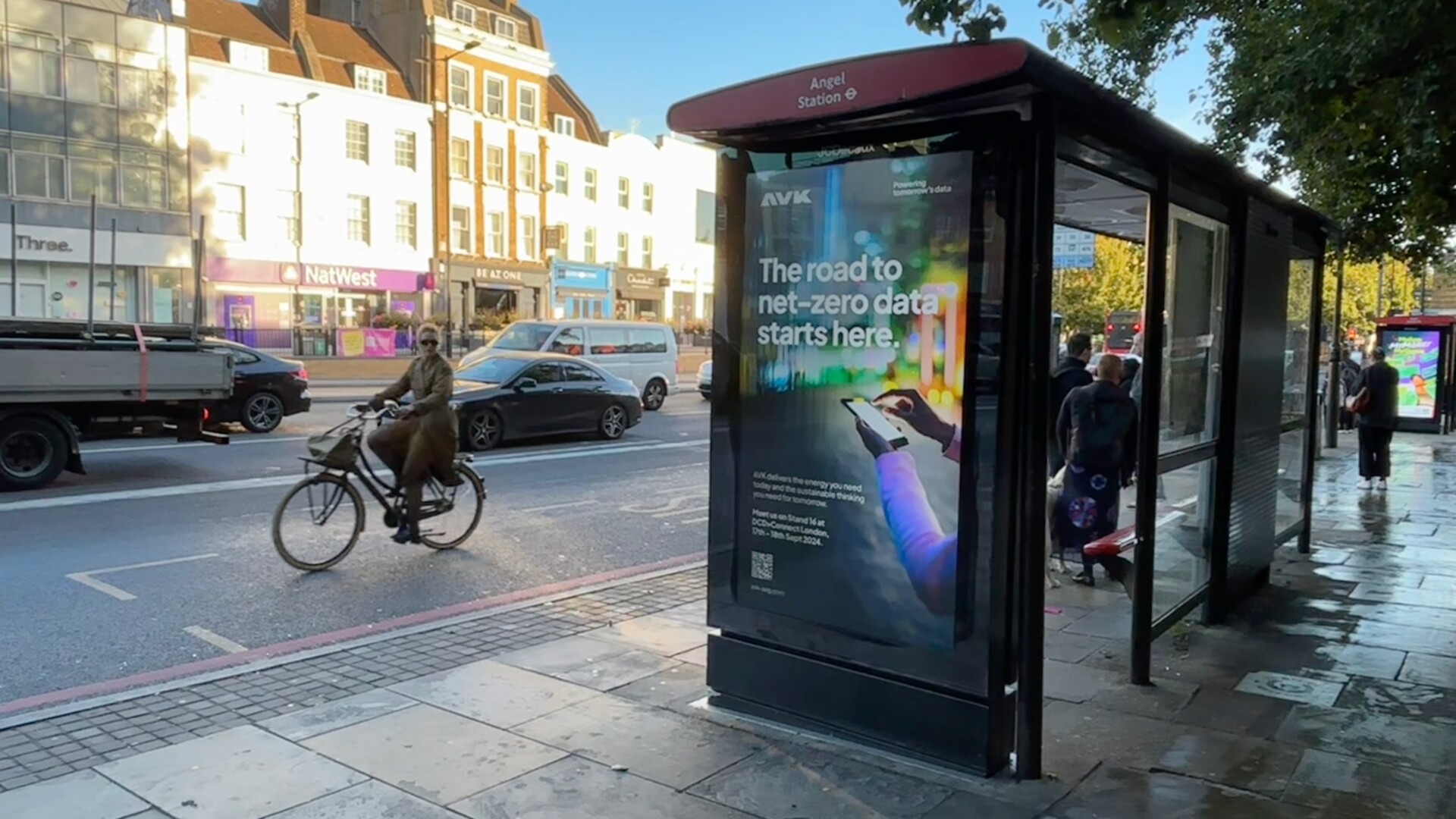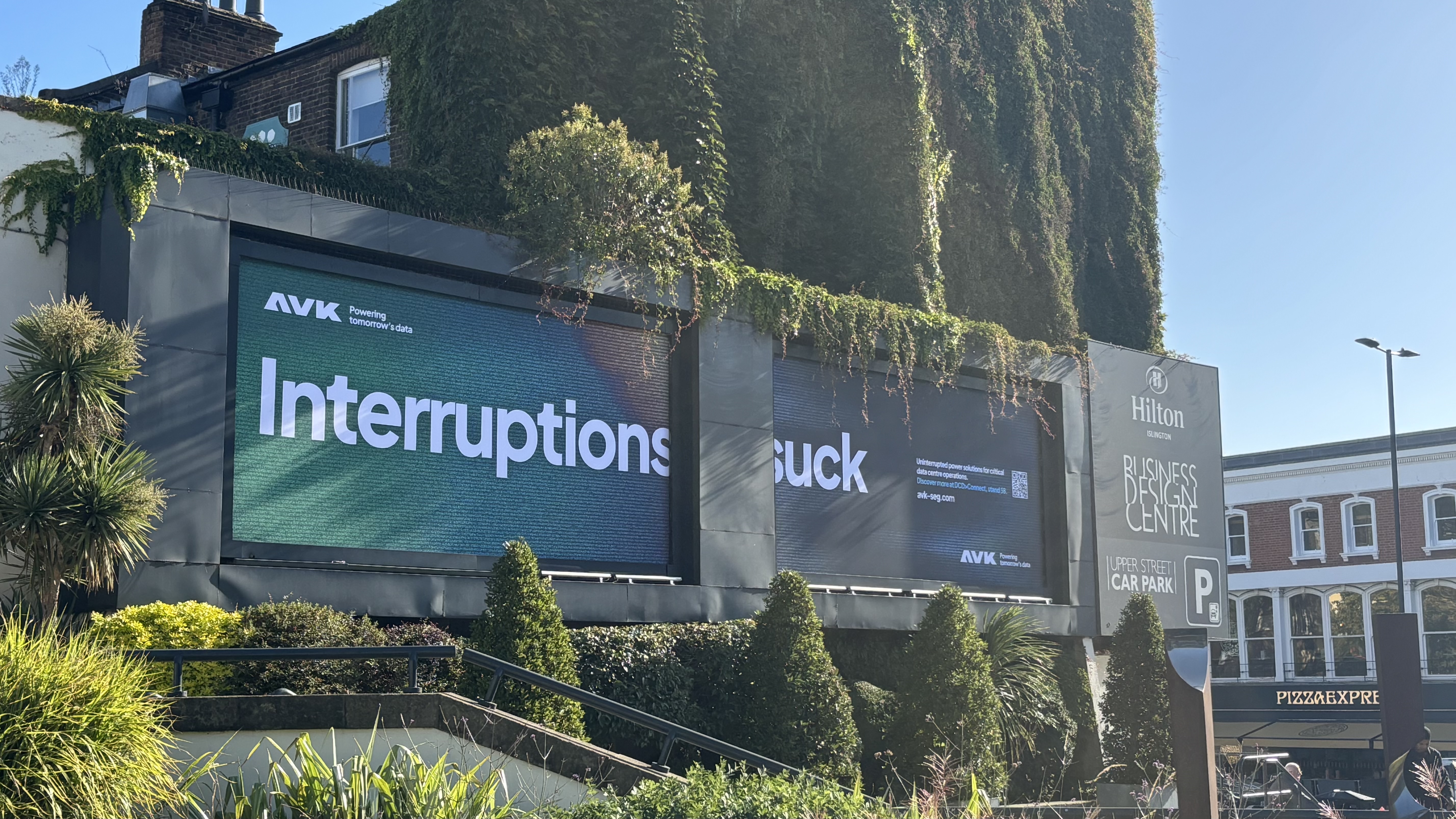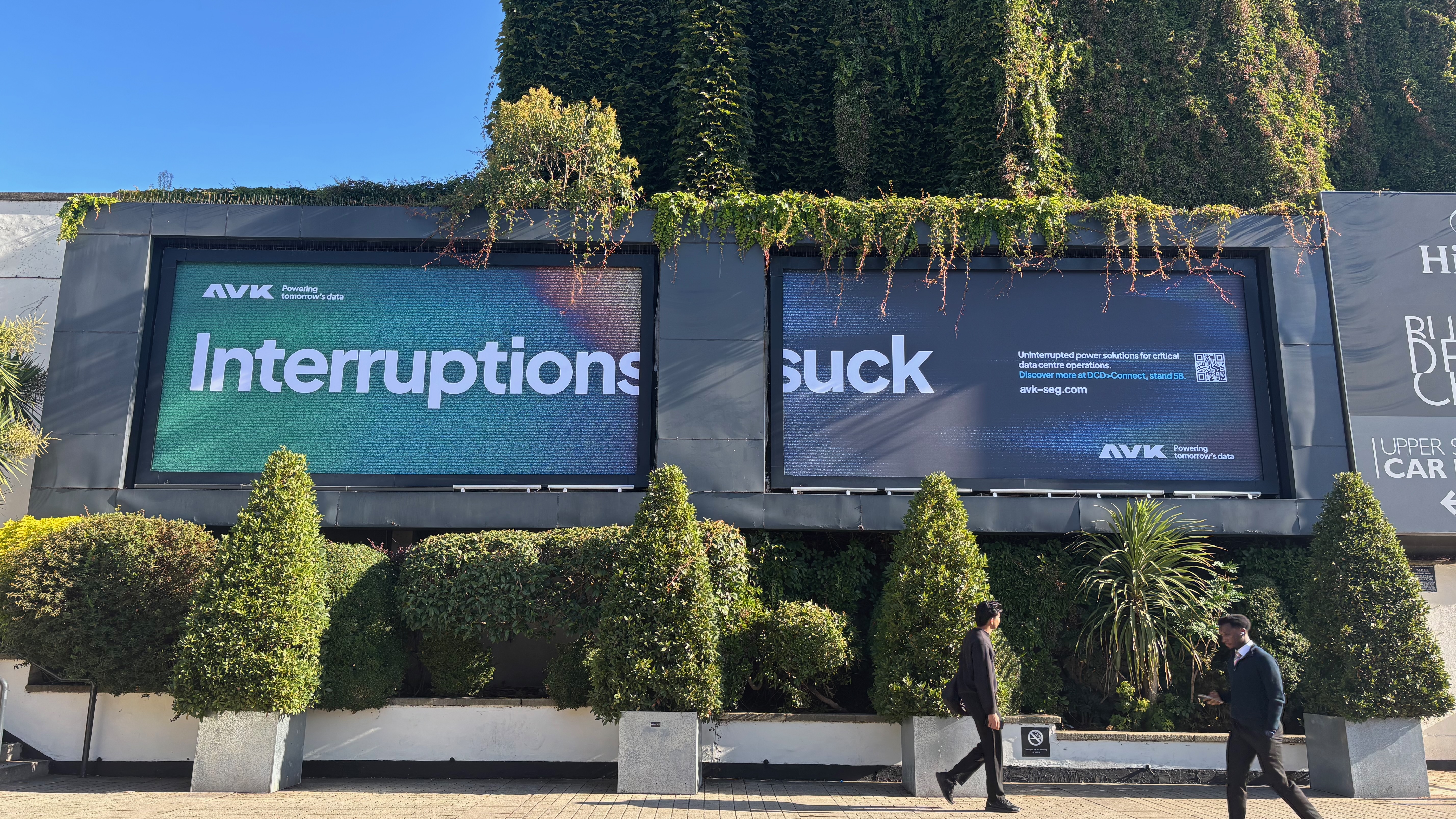
One year ago, it was September 2024, AVK set out on an ambitious journey to evolve its brand. This wasn’t about changing a logo or updating a colour palette. It was about rethinking how we present ourselves to customers, partners, and the industry as a whole.
As we look back at the process and forward to what comes next, I’d like to share some reflections on why we rebranded, how the collaboration worked, what we learned along the way, and where the AVK brand is heading.
Why we decided to rebrand
At the start of 2024, it became clear that our old identity no longer represented the company we had become. AVK was growing rapidly in the UK and across Europe. We were no longer simply a traditional supplier of power equipment. Our role had expanded into delivering complete energy solutions for critical industries, with data centres at the core.
We also wanted our brand to reflect a digital-first mindset. The data centre sector is evolving at pace, driven by AI and the rising demand for resilient, sustainable power. Our brand needed to signal that AVK is not just keeping up, but helping to lead that transformation.
Turning vision into identity
For this journey, we partnered with We.Do.Co, a creative agency with experience in shaping distinctive brands. From the outset, our focus was on clarity: making sure the agency understood not only the technical side of our work, but also our mission, values, and ambitions.
The challenge was to translate AVK’s values into a visual and verbal identity that would resonate in a modern, digital-first context. The outcome is an identity that feels bold and contemporary while still grounded in who we are. As part of this work, we also defined clear brand assets with the goal of increasing mental availability, making AVK easier to recognise and recall in a crowded market.
Collab in practice
The rebrand was a true collaboration between AVK and We Do Co. We brought the strategy, positioning, and industry knowledge. They brought creativity and an outside perspective. I also valued the fact that they were outsiders to our industry, as I was in a way, after seven years away from data centres. Their background working with many consumer brands gave us the chance to approach the project with more playfulness and distinctiveness than is usually seen in B2B.
It wasn’t a linear process. There were many iterations, conversations, and testing moments with our teams. For us, it was important that the identity was embraced internally as much as externally. The brand had to reflect our people, not just our solutions.