The brief: What was asked of us?
Across Europe, the rise of cloud computing and AI continues to drive unprecedented demand for data centres. Operators are under pressure to expand capacity quickly while meeting local regulatory, logistical, and environmental requirements. In the Netherlands, where infrastructure constraints can complicate large-scale installations, resilience and adaptability have become even more critical.
Against this backdrop, AVK were approached to support the development of a major facility. The task: provide reliable, containerised generator capability in a way that could navigate the country’s restrictions on transport height and address the challenges of installing equipment on a tightly controlled site.
The challenges in store
The first issue was transport. The radiator design used on similar projects proved too tall to move through Dutch infrastructure, where bridges are lower than in other European countries. Delivering the units in one piece simply wasn’t possible.
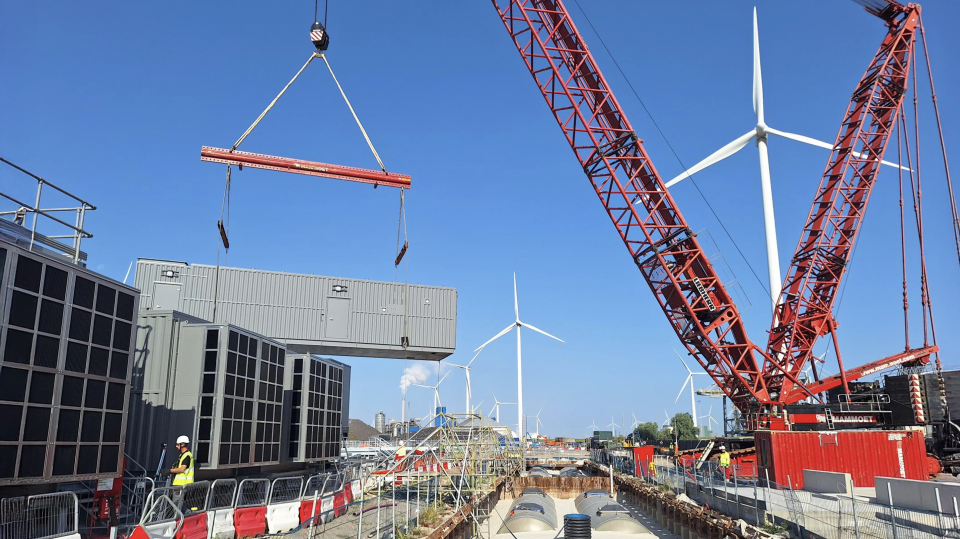
The second issue lay in site access. Equipment was delivered to the edge of the site, with lifting and craning coordinated by the general contractor. This required careful coordination with the general contractor to sequence activities safely and efficiently.
For the client, the risk was clear: without a partner able to adapt designs, manage logistics and integrate smoothly with contractors, the project could have faced significant delays. Our reputation for solving complex engineering challenges, combined with our experience delivering large-scale energy solutions across Europe, meant we were trusted to take on the task.
The solutions we created
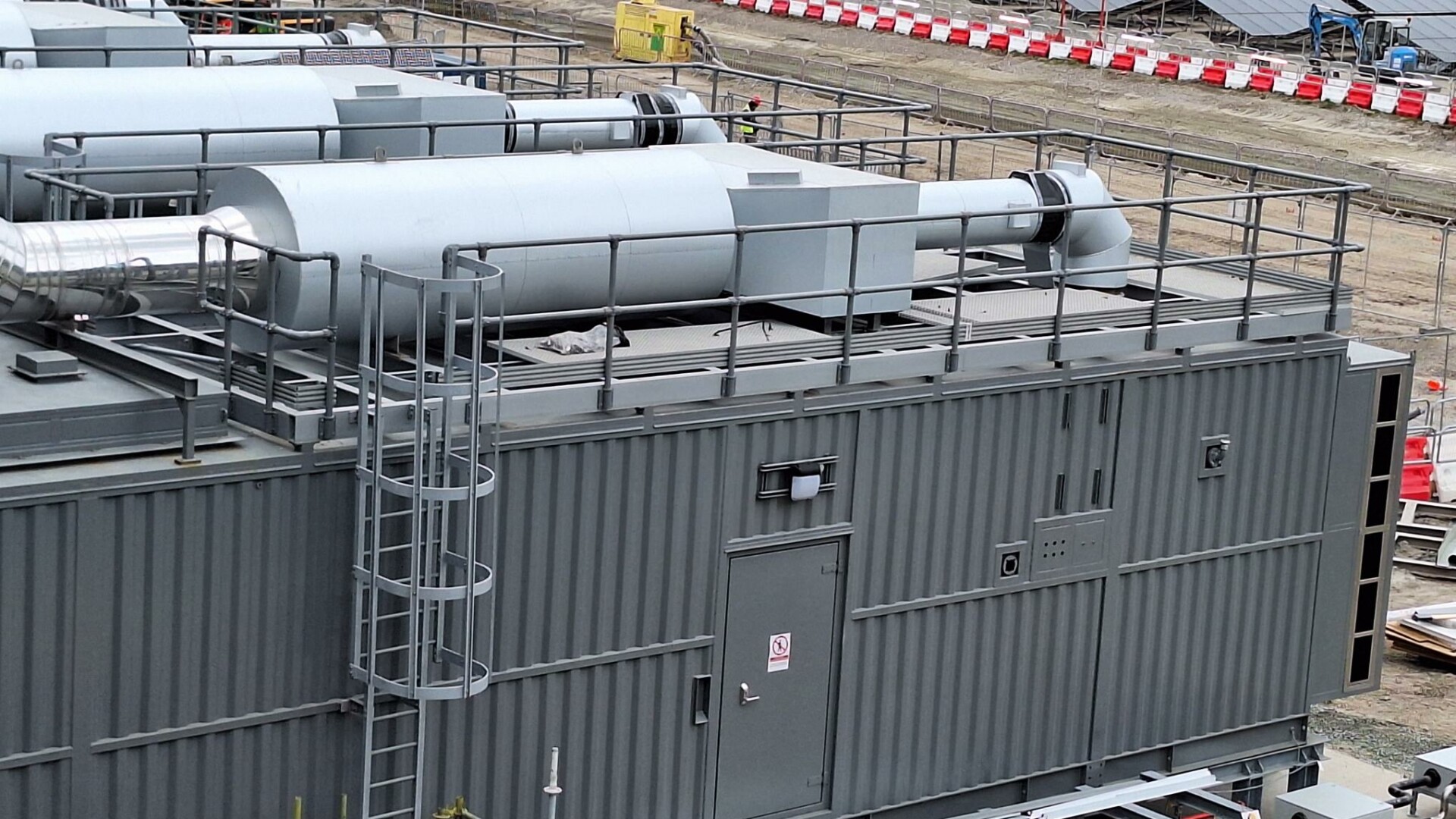
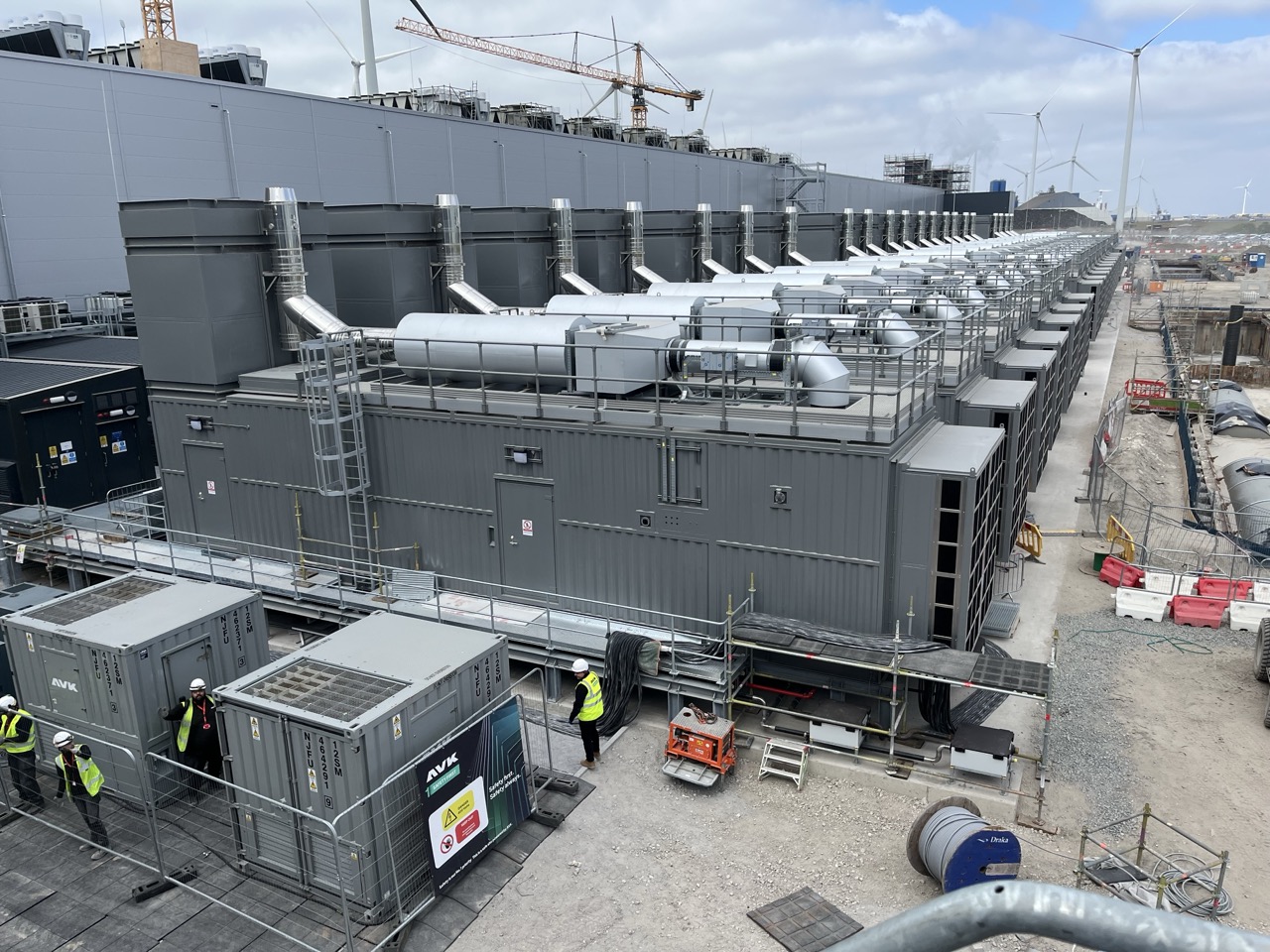
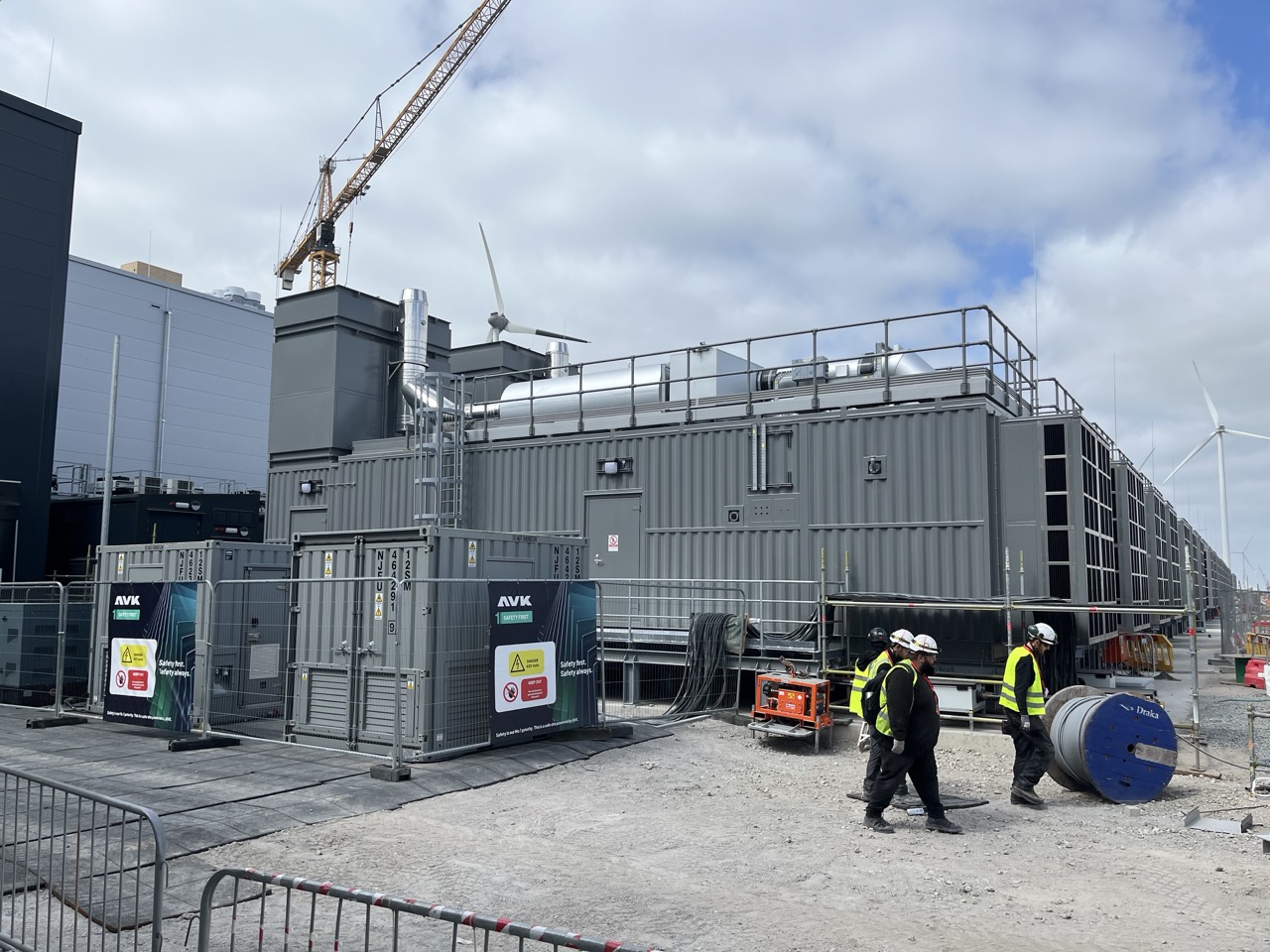
We responded with a modular, containerised approach. Rather than attempting to move oversized equipment, the team broke the design down into a main container and eight separate components that could be transported within the four-metre height restriction. These included air inlet and outlet attenuation systems, a removable roof section, SCR skid frames, radiators, and structural supports. Once on site, the parts were reassembled and fully integrated.
This not only solved the immediate transport problem but also informed a longer-term innovation. We have since developed a new radiator design that is shorter and wider, allowing it to be installed completely off-site and reducing the need for complex reassembly during future projects.
The equipment utilised within this project is as follows:
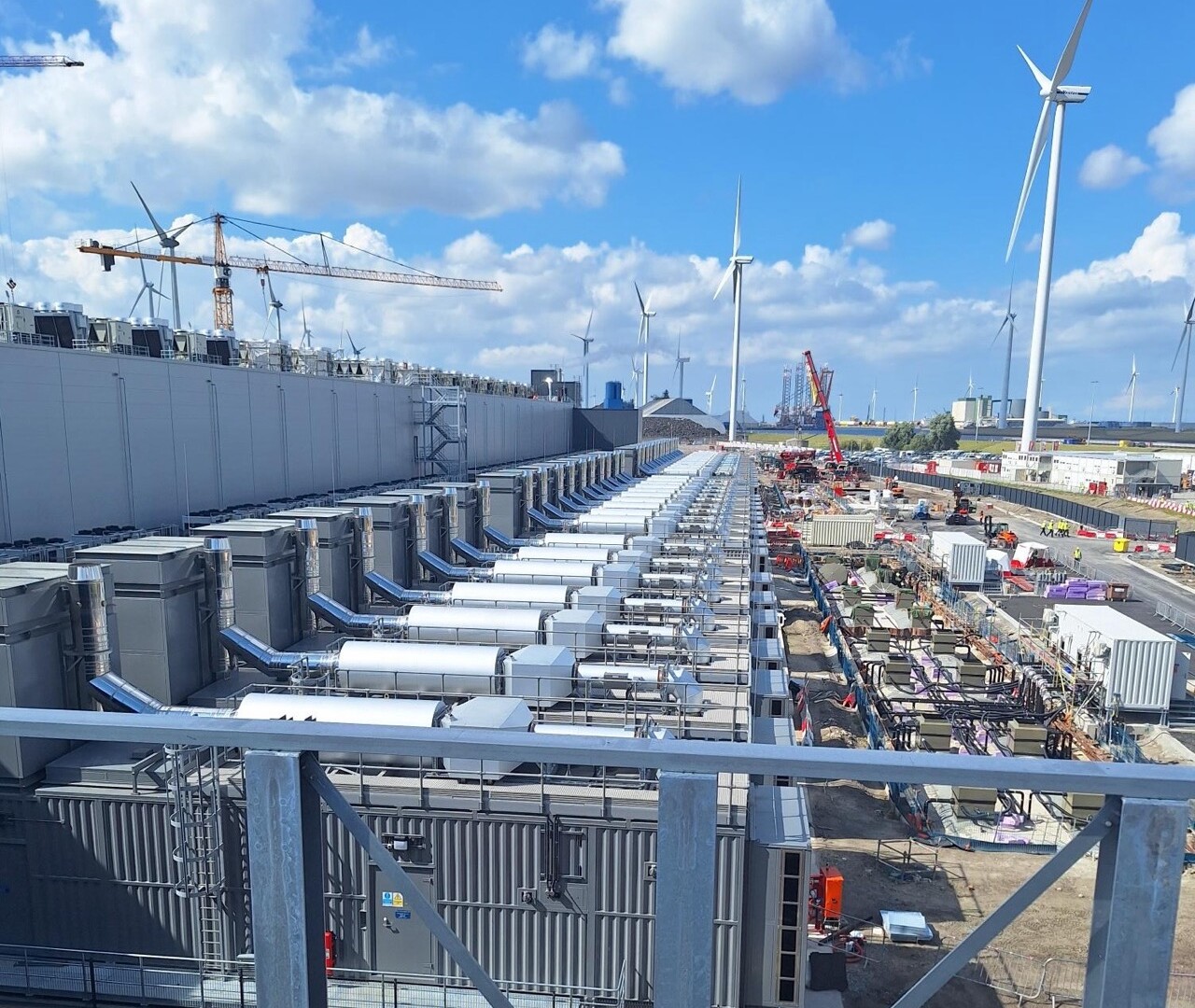
- x35 no. DS3100 standby generators and x1 no. DS1400 standby house generator with 1000 litre day tanks. The generators work in a single string line-up and are controlled via the ATS within the EPOD on the line up. When needed, the gen will receive a start signal from here and take over load from UPS within a number of seconds.
- An SCR system capable of reducing the NOx to 192mg/Nm3 @ 15% O2 equivalent to 500 mg/Nm3 @ 5% O2.
- 1 x Form 4 Type 6 LV switchgear panel per gen, 4000amp for the DS3100 and 2000amp for the DS1400. The panels come with a gen incomer, temp gen connection and loadbank connection point.
- Fuel for the generator is supplied via the internal tank which is replenished by the main fuel system on the data centre. The gen has a 1000 lt day tank and the fuel consumption of the DS3100 at 100% load is 610 lts p/h, the DS1400 uses 280 lts p/h at full load.