The challenge
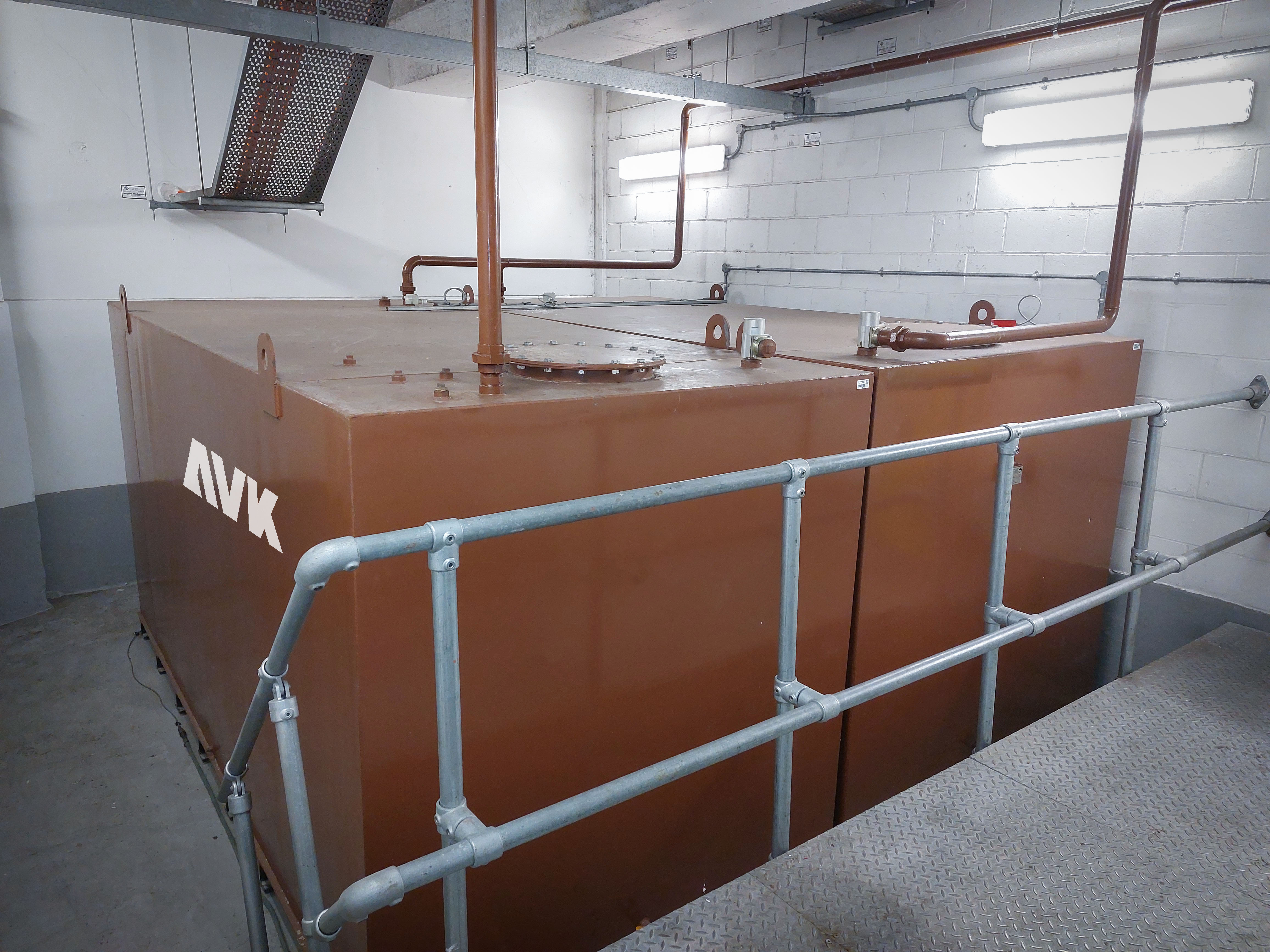
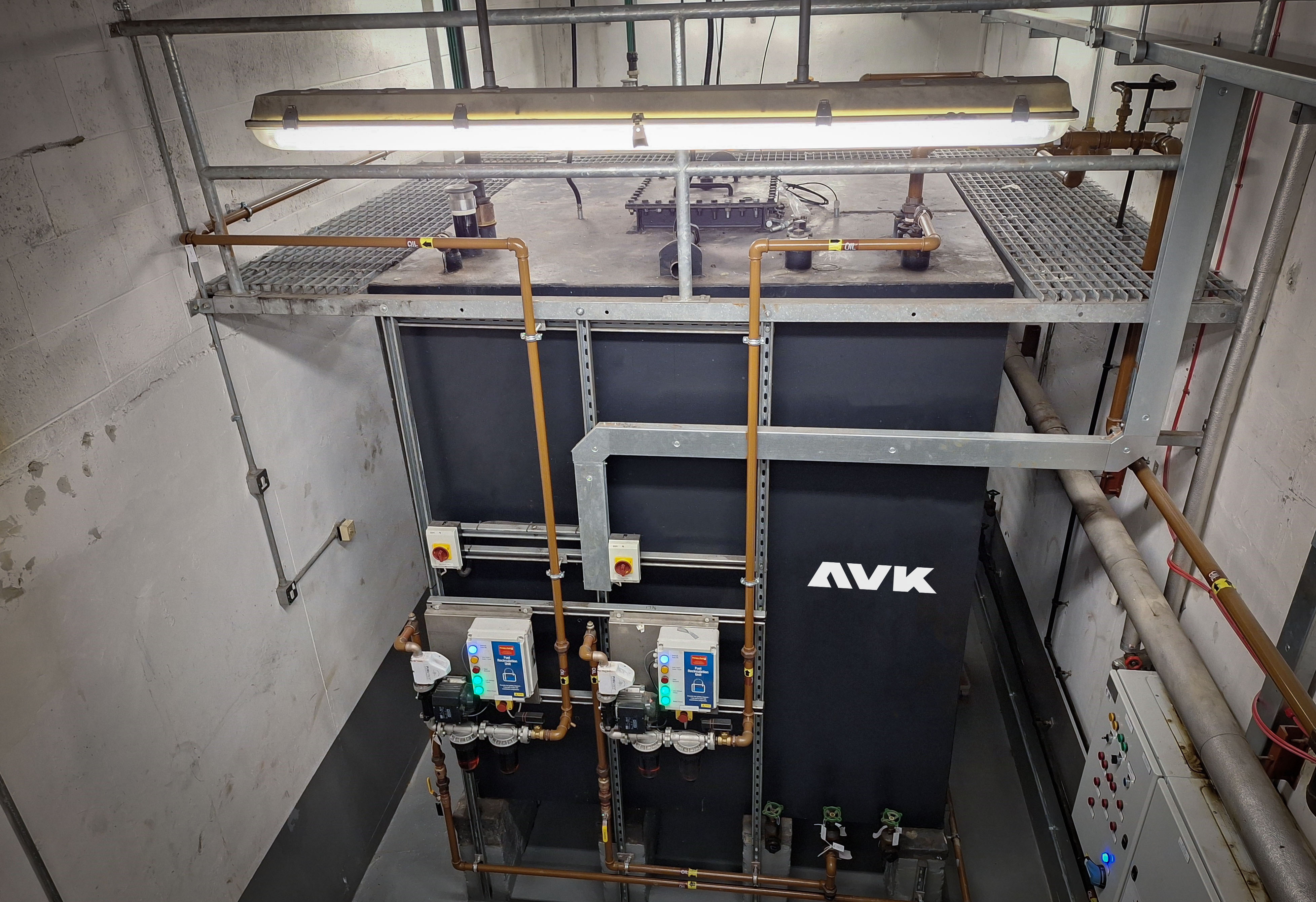
Like many organisations, CBRE’s client recognised an urgent need to reduce their carbon footprint. However, their reliance on diesel generators was a significant roadblock on their path to sustainability. They needed a reliable, scalable, and eco-friendly alternative to diesel fuel that could seamlessly integrate into their existing infrastructure. CBRE partnered with AVK to bring the expertise and experience required to transition from conventional fossil fuels to greener alternatives without excessive cost or disruption.
The solution
AVK proposed the adoption of HVO fuel for power generation. Hydrotreated Vegetable Oil (HVO) is a low-carbon biofuel that can be used directly in place of regular diesel fuel. It reduces carbon emissions by over 90% and improves air quality without requiring infrastructure modifications.
HVO fuel in focus
Hydrotreated Vegetable Oil (HVO) fuel is a game-changer in the world of sustainable energy. HVO is produced through a process that treats waste plant matter with hydrogen, resulting in a biofuel that emits no additional carbon into the atmosphere when burned.
The benefits of HVO are hard to ignore:
- Over 90% reduction in carbon emissions.
- Up to 30% less emissions of nitrogen oxides, carbon monoxide, and sulphur.
- Improved engine performance, reliability and longevity.
- Compatibility with existing diesel engines remove the need for costly infrastructure changes.
The key takeaways
This project wasn’t just about switching from one fuel to another. It was about transforming mindsets and taking the practical steps needed to make positive change happen.
The message is clear. With a 90% reduction in carbon emissions and a 30% cut in other pollutants, HVO proves that sustainability isn’t just a lofty ideal for the future. With CBRE’s collaboration and AVK’s expertise, the road to net zero is an achievable reality today. That’s why we’re constantly exploring new ideas, like ultra-high efficiency exhaust gas after-treatment systems that will help clients reduce their emissions further and reach their environmental goals faster.