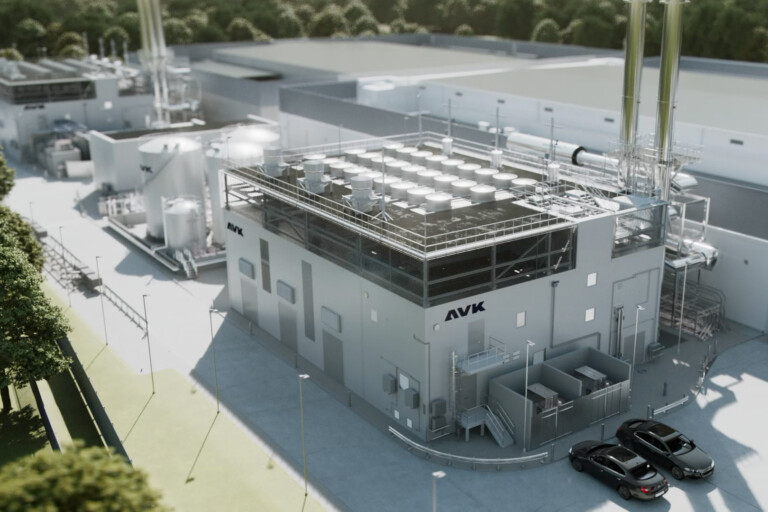
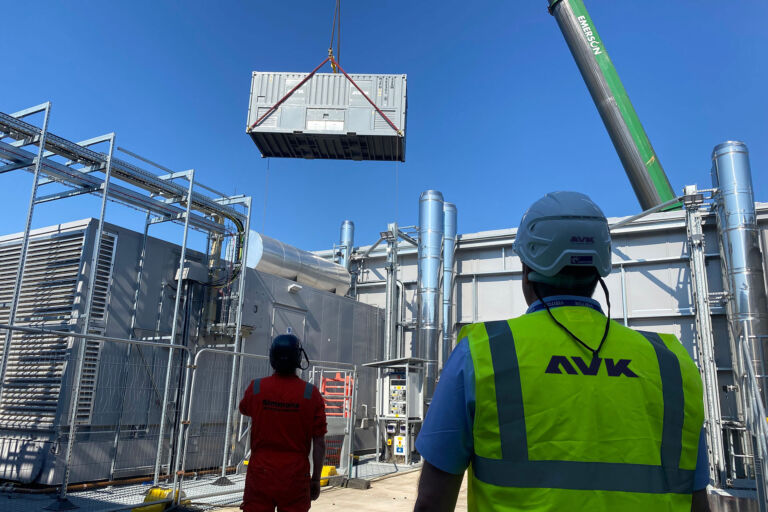
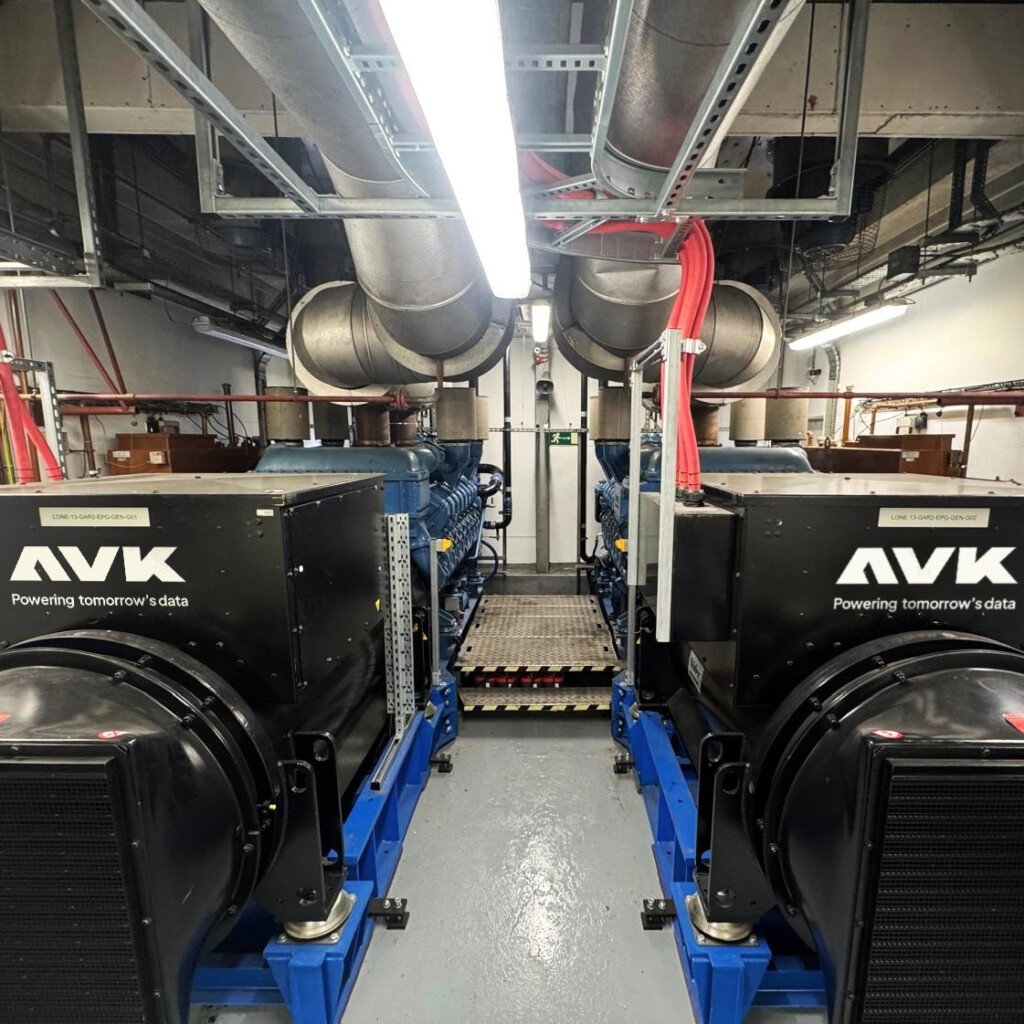
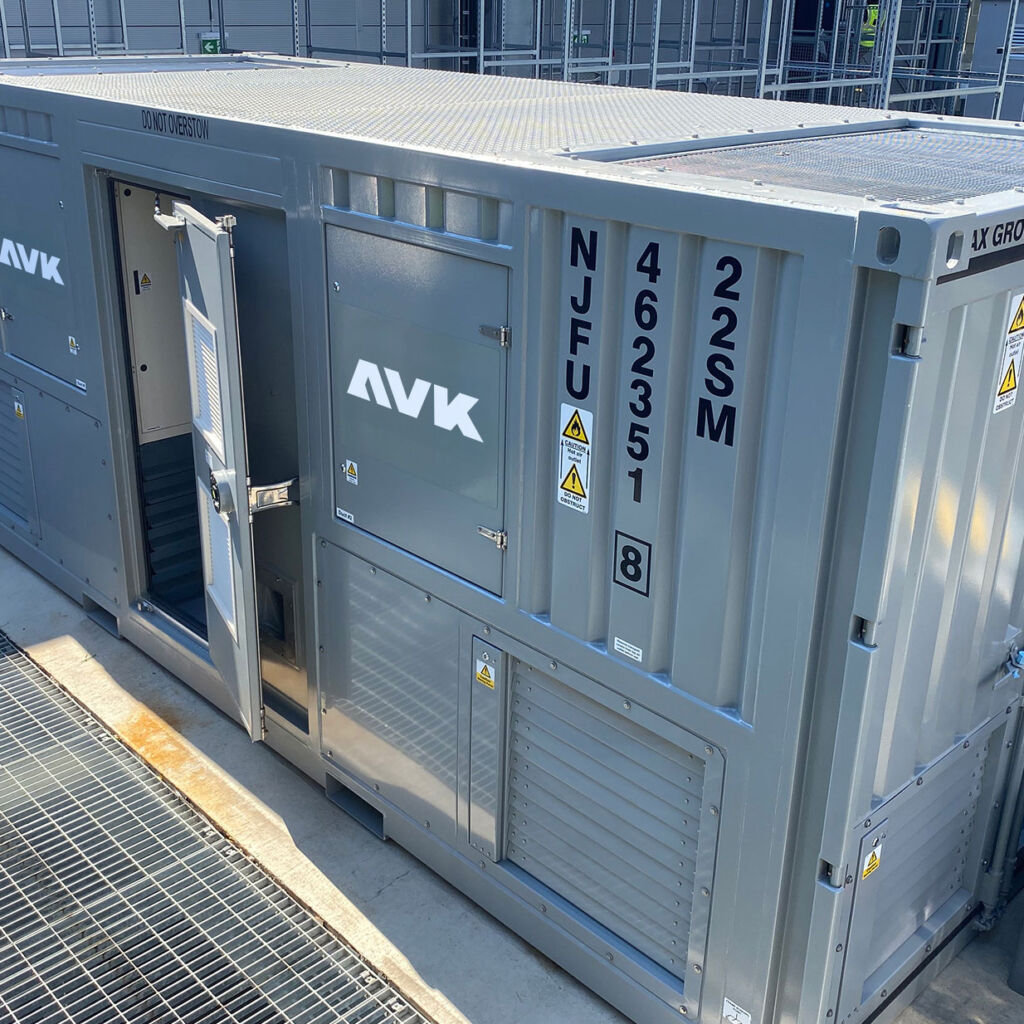
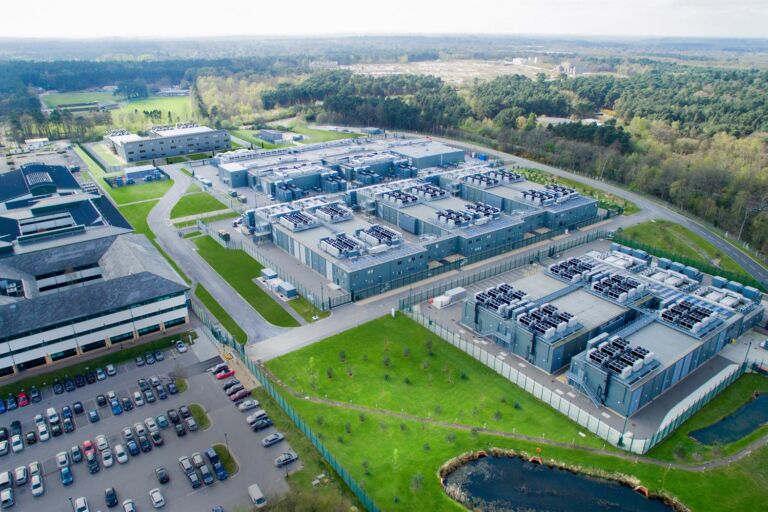
Our technology agnostic approach ensures data centres can thrive in a changing energy landscape, as well as providing our clients with the bespoke designs that ensure their data centre meets regulations and requirements.
Back to articles
Redefining the Journey: Tech-Agnostic Microgrids for Data Centres
At AVK, we believe resilience comes from choice. No single technology can power tomorrow’s data alone. That’s why we design solutions across the full power chain, from turbines and engines to batteries, renewables and future fuels.
Introduction: beyond one size fits all
Data centres have rapidly become the nervous system of the digital economy. As artificial intelligence (AI), high performance computing and cloud services surge, the power profile of the modern facility is changing just as quickly. Loads are larger, power densities are higher, and AI training can drive sharp step changes and long duty cycles. At the same time, grid connections across the UK and Europe are difficult to secure on the timelines the industry needs.
In this context, the old “one‑size‑fits‑all” playbook (typically a single technology with a uniform design replicated from site to site) breaks down. A diesel‑only strategy may satisfy a narrow standby brief but struggles with sustainability and permitting. A dual fuel/gas engine‑only or turbine‑only stance can leave efficiency on the table at low load or hamper agility during AI ramp events. A ‘batteries‑solve‑everything’ mindset ignores the realities of long‑duration supply, fault current, and black‑start needs.
AVK‑SEG’s view is straightforward: resilience comes from choice.
Technology agnosticism is not indecision; it’s a design philosophy that puts outcomes first and keeps options open – across fuels, OEMs (original equipment manufacturers), and control strategies – so each site gets the right blend for its workload, location and growth path.
Microgrids are the innovative technology that can benefit from our agnosticism. The development of a microgrid can allow data centre operators to become operational that much faster, providing the solution to today’s particular concern of lack of power availability. This combined with AVK’s technological agnosticism can allow for a bespoke data centre design that caters to the site’s precise requirements.
Why technological agnosticism matters
Agnostic design avoids the trap of choosing a single “winner” of a solution and then forcing every problem to fit it. Instead, we start with the outcomes – resilience, efficiency, sustainability and cost – and assemble the right toolset for each.